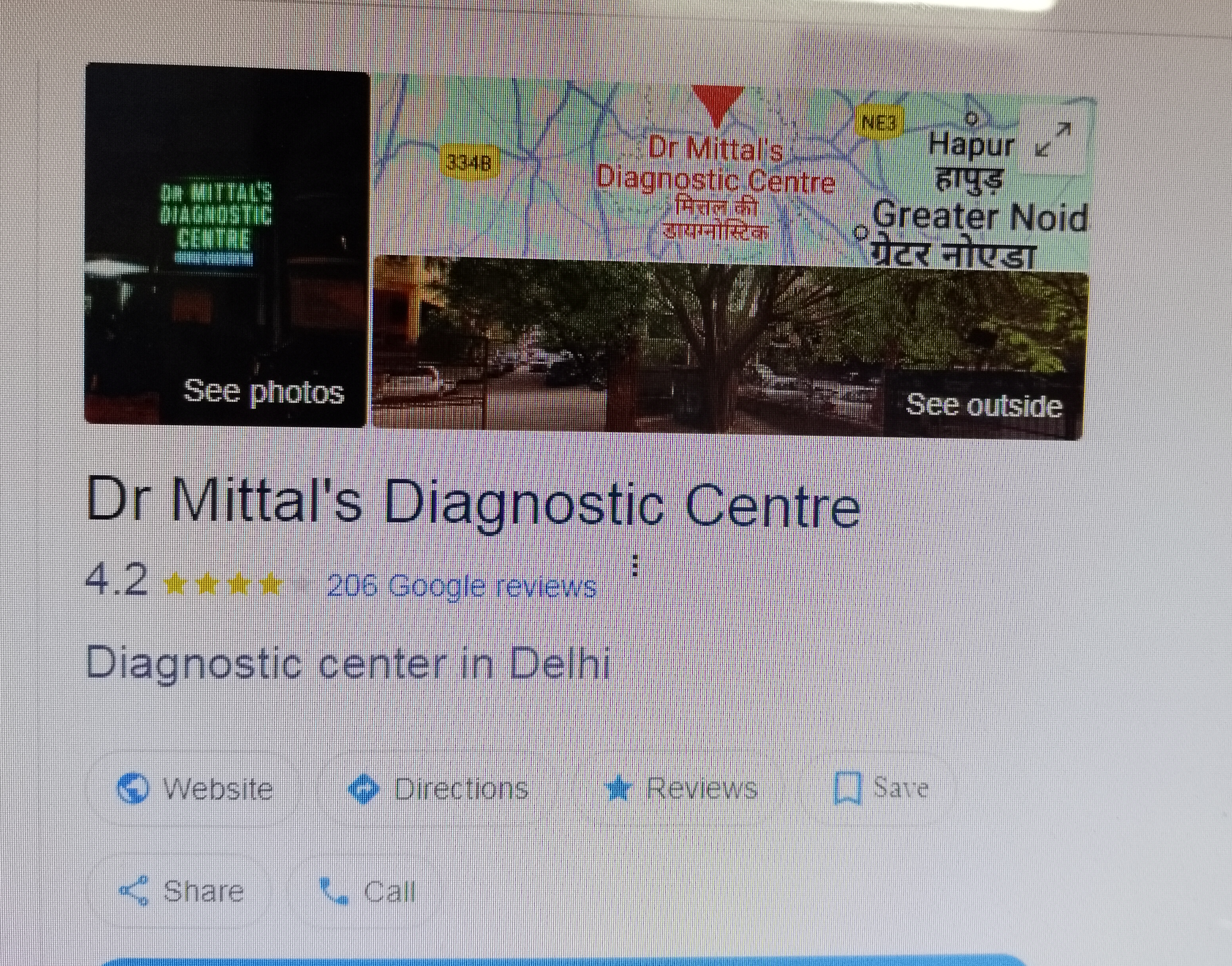
Currently it only shows your basic business info. Start adding relevant business details such as description, images and products or services to gain your customers attention by using Boost 360 android app / iOS App/ web portal.
Laboratory tests are essential tools in modern medicine, aiding in the detection, diagnosis, and monitoring of various health conditions. They analyze samples such as blood, urine, or tissue to provide critical information about a person's health status.
Types of Laboratory Tests:
Blood Tests:
Complete Blood Count (CBC): Assesses overall health and detects disorders like anemia or infection.
Basic Measures glucose, calcium, and electrolytes to evaluate kidney function, blood sugar levels, and acid-base balance
Urine Tests:
Urinalysis: Examines urine for signs of kidney disease, diabetes, or urinary tract infections.
Urine Culture: Identifies urinary tract infections by detecting bacteria in urine.
Microbiological Cultures:
Blood Cultures: Detects infections that are spreading through the bloodstream.
Sputum Cultures: Identifies respiratory infections by analyzing mucus from the lungs
Histopathology and Cytopathology:
Biopsy Analysis: Studies tissue samples to diagnose cancers and other diseases.
Pap Smear: Screens for cervical cancer by examining cells from the cervix.
Coagulation Tests:
Prothrombin Time (PT): Evaluates blood clotting function.
Activated Partial Thromboplastin Time (aPTT): Assesses the efficacy of blood clotting pathways.
Endocrine Function Tests:
Thyroid Function Tests: Measure levels of thyroid hormones to detect thyroid disorders.
Cortisol Levels: Assess adrenal gland function and stress response.
Allergy Tests:
Blood Allergy Test: Measures immune system response to allergens.
Cardiac Enzyme Tests:
Troponin Levels: Detect heart muscle injury, such as after a heart attack.
Lipid Profile:
Cholesterol Levels: Evaluates risk for heart disease by measuring LDL, HDL, and total cholesterol.


 read more
  read more